Stress Management
In our fast-paced modern society, stress has become an increasingly pressing concern that significantly impacts both mental and physical health. Individuals face daily pressures from work, personal commitments, and societal expectations, leading to symptoms of stress and anxiety that can hinder overall well-being. The need for effective stress management strategies is more crucial than ever in 2026.
Stress management involves adopting a range of techniques and lifestyle choices aimed at controlling an individual’s level of stress. Implementing stress management tips can empower individuals to handle their stressors effectively and maintain a sense of balance in life. This approach not only promotes psychological resilience but also contributes to better physical health outcomes.
In recognizing the importance of managing stress, it becomes apparent that a proactive stance can lead to significant improvements in one’s quality of life. For instance, practices such as meditation to relieve stress and anxiety have gained popularity as individuals seek holistic ways to address their mental health needs. Furthermore, engaging in stress relief activities, such as regular exercise or social engagement, can serve as valuable coping mechanisms.
Ultimately, understanding the factors contributing to stress empowers individuals to identify stress triggers, manage their reactions, and cultivate healthier responses. By implementing effective strategies, individuals can not only address their immediate symptoms of stress and anxiety but also enhance their long-term emotional resilience. Given the prevailing challenges of today’s world, mastering stress management remains an indispensable skill for leading a fulfilling and balanced life.
In today’s rapidly evolving world, understanding the causes of stress is crucial for effective stress management. Identifying the sources of stress can be the first step toward implementing effective stress relief activities. One of the primary contributors to stress is work-related pressure, which can stem from high workloads, demanding deadlines, and job insecurity. In a competitive environment, individuals may feel the need to constantly prove their worth, leading to chronic stress responses. This pressure not only affects productivity but can also escalate the symptoms of stress and anxiety.
Moreover, technology overload is becoming an increasingly prevalent issue. The constant connectivity through smartphones and social media can overwhelm individuals, leading to feelings of anxiety and restlessness. The expectation to be perpetually available can contribute to burnout, reducing one’s ability to engage in meditation to relieve stress and anxiety effectively. Thus, setting boundaries with technology is vital for maintaining mental well-being.
Personal relationships also play a significant role in stress levels, with conflicts and misunderstandings leading to emotional turmoil. The lack of effective communication within relationships can exacerbate feelings of isolation, heightening stress responses. Furthermore, external economic uncertainties can contribute to anxiety, affecting both personal and professional lives. Financial stress can lead individuals to constantly worry about their future stability, impacting their mental health.
Recognizing these common sources of stress is essential in developing personal strategies for stress management. By understanding the underlying causes, individuals can explore tailored stress management tips that fit their unique situations. This proactive approach enables one to address specific stressors rather than dabbling in generic solutions, ultimately fostering a healthier lifestyle.
Effective Breathing Techniques
Breathing techniques have gained recognition as effective tools for stress management and stress relief activities. By focusing on breath control, individuals can mitigate the symptoms of stress and anxiety, promoting a sense of calm and relaxation. Here are some effective breathing exercises that can be practiced to help alleviate stress.
Read More: Stress Management The Basics
Diaphragmatic Breathing: Also known as abdominal or deep breathing, diaphragmatic breathing encourages full oxygen exchange, which can be particularly beneficial in stressful situations. To practice this technique, sit or lie down comfortably. Place one hand on your chest and the other on your abdomen. Inhale deeply through your nose, ensuring that your diaphragm inflates rather than your chest. Exhale slowly through your mouth or nose. This practice can help lower heart rate and blood pressure, thereby enhancing stress management.
Box Breathing: This technique is often used by athletes and military professionals to maintain focus and control under pressure. Box breathing involves four simple steps — inhale for four counts, hold for four counts, exhale for four counts, and hold again for four counts. Repeat this cycle for a few minutes. Box breathing not only helps in reducing stress but also improves concentration and can mitigate symptoms of anxiety.
4-7-8 Breathing: Created by Dr. Andrew Weil, this method combines aspects of abdominal breathing with a focus on rhythm. To practice 4-7-8 breathing, inhale through your nose for four seconds, hold your breath for seven seconds, and exhale through your mouth for eight seconds. This technique helps to calm the mind, making it an effective method of meditation to relieve stress and anxiety.
Incorporating these breathing techniques into a daily routine can greatly affect one’s overall well-being. Regular practice not only strengthens the body’s natural ability to manage stress but also contributes to a greater state of mental clarity and emotional regulation.
The Role of Mindfulness and Meditation
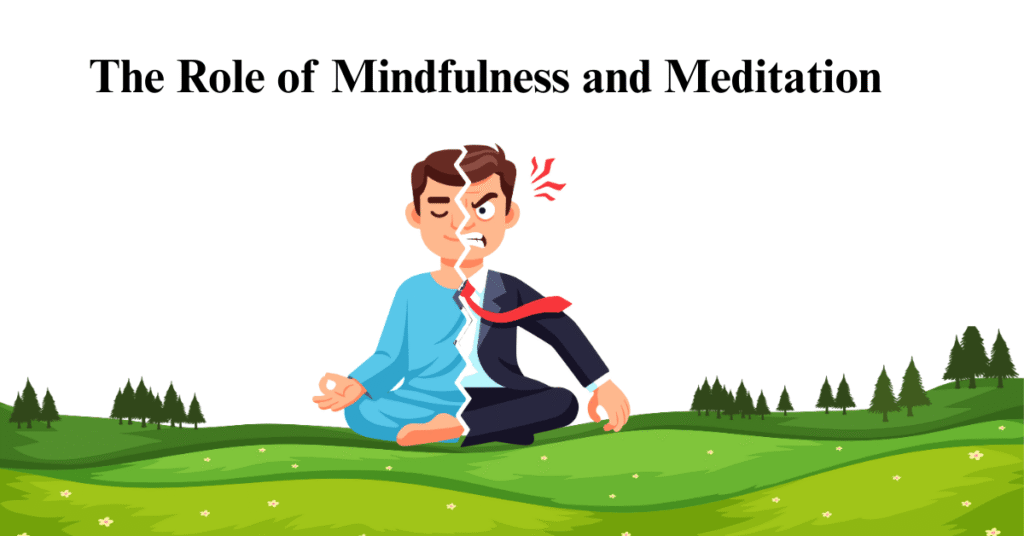
Mindfulness and meditation have gained recognition as effective stress management techniques over recent decades, rooted in ancient practices yet supported by modern science. Mindfulness, which is the practice of being fully present and engaged in the current moment, can significantly contribute to reducing the symptoms of stress and anxiety. Historically, mindfulness has its origins in Buddhist traditions and has evolved into various contemporary practices that are accessible to individuals of all backgrounds.
Meditation, often paired with mindfulness, involves techniques designed to promote relaxation, increase awareness, and cultivate a tranquil mind. Research supports the notion that engaging in regular meditation to relieve stress and anxiety can result in physiological changes within the brain, leading to decreased stress hormones and enhanced emotional regulation. This makes it a powerful tool in any stress management arsenal.
Incorporating mindfulness and meditation into daily life does not require extensive time commitments or elaborate settings. Simple strategies such as setting aside a few moments each day for focused breathing or engaging in mindful exercise, such as yoga, can provide immediate stress relief activities. Furthermore, utilizing resources like guided meditation apps or local classes can facilitate the development of these practices.
For optimal results, it is beneficial to integrate mindfulness into everyday tasks. Practicing mindful eating, walking, or even relaxation techniques during mundane activities can enhance awareness and dissipate racing thoughts associated with stress. By creating a consistent routine that includes these elements, individuals can cultivate resilience against the pressures of modern life.
In conclusion, mindfulness and meditation serve as crucial components of effective stress management. By employing these practices, individuals can not only manage current stress levels but also develop skills that foster a greater sense of peace and well-being, ultimately fortifying mental health in the long run.
Physical Activity as Stress Relief
Engaging in physical activity is widely recognized as one of the most effective stress management techniques. Regular exercise not only boosts physical health but also plays a crucial role in enhancing mental well-being. When individuals participate in various forms of physical activities, their bodies release endorphins, which are natural mood lifters. This biochemical response contributes to decreased levels of stress and anxiety, making it easier to manage everyday pressures.
There are numerous types of physical activities that cater to different lifestyles and preferences. For example, aerobic exercises such as running, cycling, or swimming are excellent for those looking for high-energy workouts. Meanwhile, activities like yoga, tai chi, or Pilates focus on relaxation and mindfulness, combining physical movement with meditation to relieve stress and anxiety. Even simpler tasks like taking brisk walks or engaging in household chores can be effective stress relief activities.
Incorporating movement into daily routines can be easier than many think. Here are some actionable tips to help individuals stay active and mitigate stress: 1) Set aside a specific time each day dedicated to physical exercise, treating it as a crucial appointment. 2) Combine social interaction with physical activity by inviting friends or family to join in on walks or fitness classes. 3) Employ technology by using fitness apps to track progress and maintain motivation. 4) Consider breaking up prolonged periods of sitting with short bouts of movement, such as standing or stretching exercises, to help alleviate tension. By consistently engaging in physical activity, individuals can effectively manage symptoms of stress and anxiety, enhancing their overall quality of life.
Nutrition and Stress Management
The relationship between nutrition and stress management is an important topic often overlooked. Diet plays a crucial role in mental health, influencing stress levels and overall well-being. By incorporating specific foods into your daily meals, you can potentially reduce the symptoms of stress and anxiety, facilitating more effective stress management.
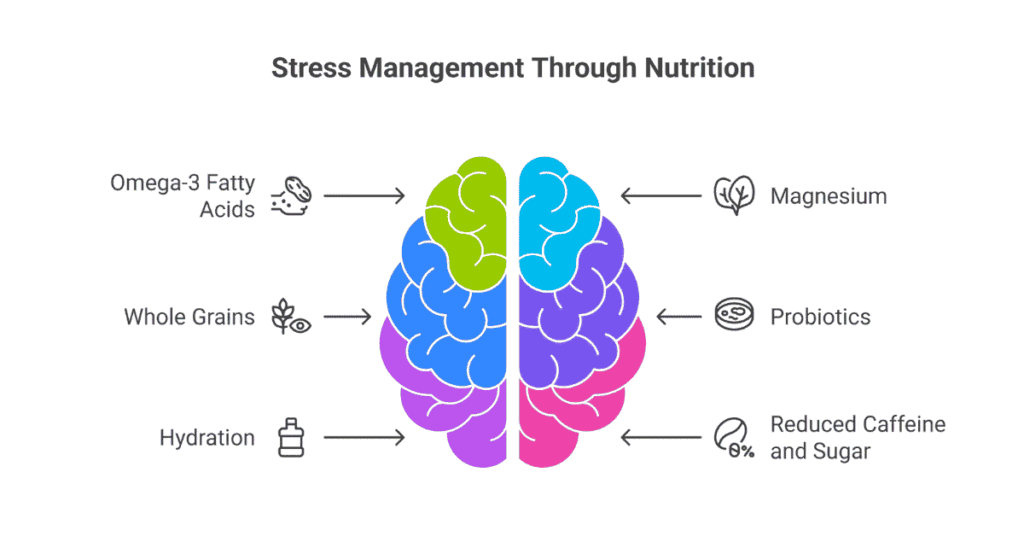
Research has shown that certain nutrients can directly affect the body’s response to stress. Foods rich in omega-3 fatty acids, such as salmon, walnuts, and flaxseeds, help decrease inflammation and promote brain health. Additionally, leafy greens, such as spinach and kale, are high in magnesium, a mineral known to alleviate symptoms of stress and anxiety. Including these foods in your diet can enhance your ability to manage stress effectively.
Furthermore, it is beneficial to focus on whole grains—like quinoa, oatmeal, and brown rice—since they help stabilize blood sugar levels and maintain energy throughout the day. This stability is essential for effective stress management as fluctuating blood sugar can exacerbate feelings of anxiety. Additionally, incorporating probiotics found in yogurt and fermented foods supports gut health, which is increasingly recognized as important for mental well-being.
Moreover, adopting simple dietary changes can yield significant results in stress relief. Staying hydrated by drinking plenty of water is essential for bodily functions, including mood regulation. Reducing caffeine and sugar intake can also help maintain a calm disposition, as these substances can contribute to increased anxiety levels.
In conclusion, a well-balanced diet rich in specific nutrients can serve as a powerful tool in stress management. By actively choosing foods that promote mental well-being and implementing simple dietary changes, individuals can experience notable relief from stress and anxiety, paving the way for a healthier, more relaxed life.
Building a Support Network
One of the most effective strategies for managing stress is the establishment of a robust support network. Social support is crucial as it provides individuals with both emotional and practical assistance during challenging times. Strong relationships with friends and family create a safety net, enabling individuals to share their experiences and feelings, which can alleviate the symptoms of stress and anxiety.
Identifying key individuals in one’s life who can provide support is the first step in building this network. Look for family members, friends, colleagues, or mentors who demonstrate empathy, active listening skills, and a genuine interest in your well-being. Regular communication and interaction with these people can help reinforce these relationships. Engaging in shared activities such as family gatherings, dinner invitations, or casual meet-ups can further strengthen these connections, allowing for open discussions about stress management and personal challenges.
Moreover, community involvement can significantly enhance an individual’s support network. Participating in local clubs, volunteering opportunities, or group activities fosters a sense of belonging while providing chances to build new friendships. Such activities can also activate stress relief mechanisms, diverting attention from stressors and creating positive experiences that counteract feelings of anxiety.
Professional support can also contribute significantly to effective stress management. Consulting a psychologist, counselor, or stress management expert can provide valuable tools such as cognitive-behavioral strategies and mindfulness techniques, including meditation to relieve stress and anxiety. These professionals can offer personalized stress management tips tailored to individual needs, thereby enabling individuals to navigate their stressors more effectively.
In conclusion, fostering strong relationships with family, friends, and community members, as well as seeking professional help when necessary, is fundamental for building an effective support network that plays a critical role in stress management. By cultivating these connections, individuals can better cope with the challenges of everyday life and improve their overall well-being.
Time Management Strategies
Effective time management is a cornerstone of stress management, particularly in today’s fast-paced work environment. By mastering the art of prioritization, individuals can alleviate work-related stress and create a functional workflow. Begin by identifying your most pressing tasks and categorizing them based on urgency and importance. This practice not only helps in clarifying what needs immediate attention but also reduces the symptoms of stress and anxiety that may arise from overwhelming workloads.
One powerful time management tip is to utilize scheduling tools. Digital calendars and task management applications can assist in creating a structured timeline for daily tasks. Setting realistic goals within your schedule allows for more achievable accomplishments, thus reducing the likelihood of stress accumulation. Break down larger projects into smaller, manageable tasks to maintain motivation without becoming overwhelmed. This approach creates a systematic method of accomplishing responsibilities, which can lead to a greater sense of satisfaction and decreased anxiety.
Moreover, adopting the Pomodoro Technique—working in short bursts followed by brief breaks—has been found beneficial in managing stress effectively. This strategy encourages focused work while promoting regular intervals for rest, proving crucial for maintaining productivity without succumbing to stress. In addition, allocate dedicated time for stress relief activities, such as short meditation to relieve stress and anxiety, which can replenish energy stores and improve overall mental resilience.
Finally, leverage technology to enhance your productivity. Many apps provide reminders, automate repetitive tasks, and enable easy collaboration with colleagues. Integrating these tools can streamline your workflow, allowing you to focus on high-priority tasks, thus minimizing work-associated stress. Implementing these time management strategies will not only improve your productivity but also cultivate a healthier work-life balance, ultimately leading to improved stress management.
Creating a Personalized Stress Management Plan
Stress is an inherent part of life, but how we manage it can significantly affect our overall well-being. To effectively combat stress, it is essential to develop a personalized stress management plan tailored to individual needs and circumstances. By integrating various stress management tips discussed throughout this blog post, individuals can create a comprehensive approach that resonates with their unique lifestyles.
Start by identifying the symptoms of stress and anxiety that are most prevalent in your life. Acknowledging these symptoms is the first step in addressing them. Incorporate specific stress relief activities that align with your interests and preferences. For some, this may involve engaging in physical activities such as yoga or running, while others may find solace in artistic pursuits like painting or writing. These activities serve as effective outlets for channeling stress.
One of the most beneficial techniques to include in your stress management plan is meditation to relieve stress and anxiety. Regular practice can cultivate mindfulness and enhance emotional resilience. Even a few minutes of deep breathing or guided meditation can lead to noticeable improvements in mood and perspective.
As you implement these strategies, it is crucial to periodically evaluate their effectiveness. Reassessment allows you to identify what works best for you and what may need adjustments over time. Stress management is not a one-size-fits-all approach; therefore, remaining flexible and open to change is key.
In conclusion, a well-structured, personalized stress management plan can significantly enhance your ability to cope with life’s pressures. By actively engaging in self-care and incorporating proven techniques, anyone can improve their resilience against stress.
What are the most effective stress management techniques for 2026?
To manage stress effectively in 2026, experts recommend a “hybrid wellness” approach. This includes digital decoupling (scheduled time away from screens), micro-mindfulness (short, 2-minute meditation bursts), and bio-feedback monitoring using smart wearables to track cortisol spikes. Combining physical activity with strict boundary-setting remains the gold standard for reducing anxiety in a fast-paced environment.
How does modern technology impact stress levels?
While technology offers convenience, it is a primary driver of “digital burnout.” Constant connectivity, notification fatigue, and the pressure of an “always-on” culture significantly elevate cortisol levels. Effective stress management now requires intentional tech usage, such as using “Focus Modes,” silencing non-urgent notifications, and practicing daily digital detoxes to reset the nervous system.
How can I prevent burnout in a fast-paced hybrid work environment?
Burnout prevention in a hybrid setting requires rigid boundary management. Key strategies include:
1. The “Virtual Commute”: Creating a mental transition period between work and personal time, even when working from home.
2. Asynchronous Communication: Reducing the urgency to respond instantly to every message.
3. Time-Blocking: Dedicating specific hours to deep work to avoid multitasking fatigue. Prioritizing recovery as much as productivity is essential for long-term career sustainability.
What are some quick stress relief tips for busy professionals?
If you only have 5 minutes, the most effective quick-relief methods include:
1. Box Breathing: Inhale for 4 seconds, hold for 4, exhale for 4, hold for 4.
2. The 5-4-3-2-1 Grounding Method: Identify 5 things you see, 4 you feel, 3 you hear, 2 you smell, and 1 you taste.
3. Physical Shaking: Gently shaking your hands and legs to discharge built-up adrenaline (somatic release).
What are the physical warning signs of unmanaged stress?
In 2026, common physical symptoms often go unnoticed until they become chronic. Watch for “tech neck” tension, persistent jaw clenching (bruxism), digestive issues (gut-brain axis disruption), and disrupted sleep patterns (insomnia). Recognizing these early signs allows you to intervene with stress management tips before they escalate into chronic health conditions like hypertension.
Does diet and nutrition play a role in managing stress?
Absolutely. Your diet directly impacts your brain’s ability to handle stress. A diet high in processed sugars and caffeine can mimic anxiety symptoms. Instead, focus on stress-busting foods rich in Omega-3 fatty acids (salmon, walnuts), magnesium (spinach, almonds), and Vitamin C. Hydration is also critical; even mild dehydration can spike cortisol levels.